Aim: I want to find out how to dissect a rat.
Research:


Method:
Equipment
- Rat
- Gloves
- Tray
- Dissection scissors
- Scalpel
- Pins
- News paper
- Disinfectant
Instruction
- Get your equipment ready and be safe.
- Lay the rat on the tray.
- Pin the rat on the tray through its “hands and feet”.
- Carefully cut the skin of the rat from the neck to the belly.
- When you cut the middle part of the rat try not to damage the flesh of it.
- Carefully take out the flesh.
- Put the flesh back into the rat
- Clean up the blood and other things you use to dissec the rat
- Take the tray and put it in the trash.
- Clean your hands.
Our work:


Discussion
Describe what you saw. I saw the organs of rat I saw the heart of it, lungs,liver,stomach,small intestines, and large intestines.
1. does the heart do? Receiving deoxygenated blood and carrying metabolic waste products from the body and pumping it to the lungs for oxygenation.
2.What do the lungs do? The lungs and respiratory system allow us to breathe.
3.What does the liver do? The liver filters all of the blood in the body and breaks down poisonous substances, such as alcohol and drug
4.What does the stomach do? the stomach holds the food and mixes it with acid and enzymes that continue to break the food down into a liquid or paste.
5.What do the small intestines do? the small intestine is to break down food, absorb nutrients needed for the body, and get rid of the unnecessary components.
6.What do the large intestines do? the large intestine is to absorb water and salts from the material that has not been digested as food, and get rid of any waste products left over.
Circulatory System – carries oxygen, nutrients, and hormones to cells, and removes waste products, like carbon dioxide.
Respiratory System – move fresh air into your body while removing waste gases.
Part A – Digestive System
1. What are the organs of the digestive system? the mouth, esophagus, stomach, small intestine, large intestine, and anus. The liver, pancreas, and gallbladder are the solid organs of the digestive system.
2. What do they do?
Mouth: The digestive process starts in your mouth when you chew.
Esophagus – Esophagus is to transport food entering the mouth through the throat and into the stomach.
Stomach – An organ with strong muscular walls, the stomach holds the food and mixes it with acid and enzymes that continue to break the food down into a liquid or paste
small intestine – The small intestine is to break down food, absorb nutrients needed for the body, and get rid of the unnecessary components.
Large intestine – the large intestine helps in the final stages of digestion, water absorption, waste elimination, and plays a role in maintaining a healthy balance of gut bacteria, which can have a significant impact on overall health.
Anus – The Anus is the final part of the digestive system, anus is responsible for the voluntary expulsion of feces from the body and plays a vital role in maintaining continence by controlling the release of waste.
Part B
1. What are the organs of the circulatory system? Heart, blood vessels, arteries, veins, capillaries, blood, lymphatic system.
Heart –
Blood vessels –
Arteries –
Veins –
Capillaries –
Blood –
Lymphatic system –
2. What are the names of the major blood vessels?
3. How does the circulatory system work/flow?


 Aswang is an umbrella term for various shape-shifting evil creatures in Filipino folklore, such as vampires, ghouls, witches, viscera suckers, and transforming human-beast hybrids (usually dogs, cats, pigs). The aswang is the subject of a wide variety of myths, stories, arts, and films, as it is well known throughout the Philippines. Spanish colonists noted that the aswang was the most feared among the mythical creatures of the Philippines, even in the 16th century. Although with no specific motive other than harming others, their behavior can be interpreted as an inversion of the traditional Filipino values. The aswang is especially popular in southern parts of Luzon, and some parts of Mindanao and Visayas, especially the Visayan province of Capiz.
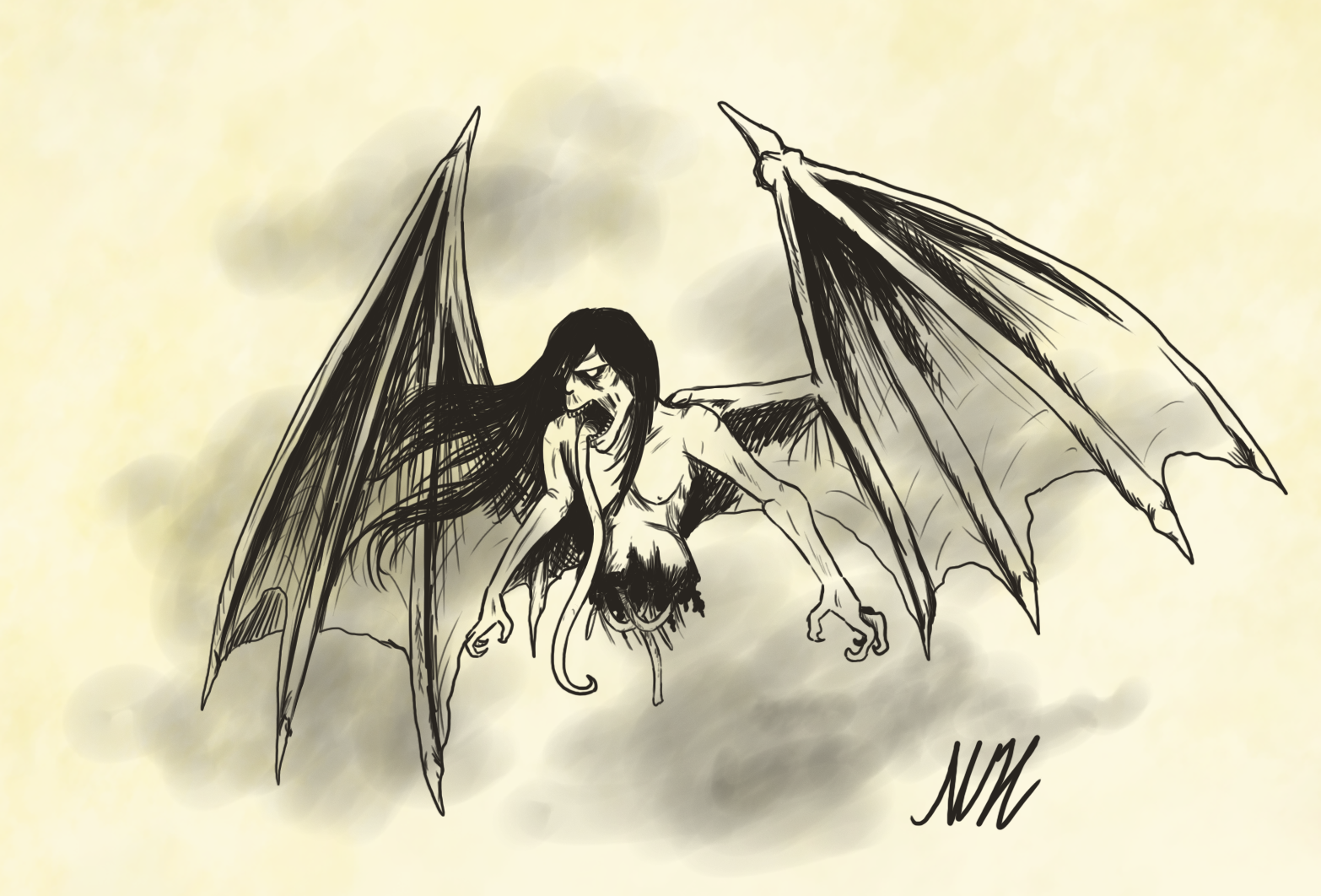 The manananggal is described as scary, often hideous, usually depicted as female, and always capable of severing its upper torso and sprouting huge bat-like wings to fly into the night in search of its victims. The word manananggal comes from the Tagalog word tanggal, which means “to remove” or “to separate”, which literally translates as “remover” or “separator”. In this case, “one who separates itself”. The name also originates from an expression used for a severed torso.
 2. Fit a tip to the end of the shaft. Press down and twist slightly


